Business
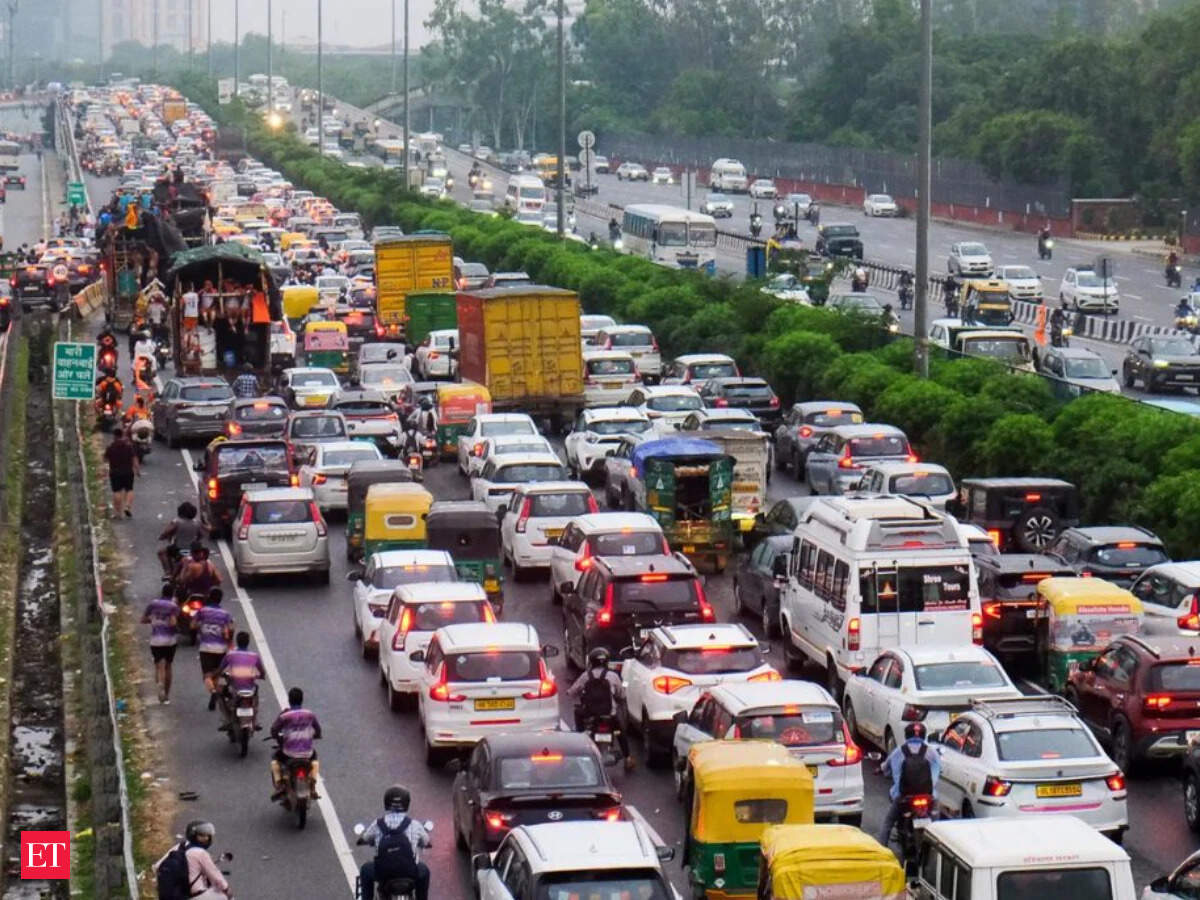
Delhi pollution: SC flags rising vehicle emissions
By Katherine Langford
Advertisement · Why this ad?
Marcus manages the day-to-day editorial workflow across all brands, coordinating coverage assignments and ensuring editorial standards are met. He previously served as city editor at the Pioneer Press and holds a degree in Political Science from Carleton College.
More from Marcus →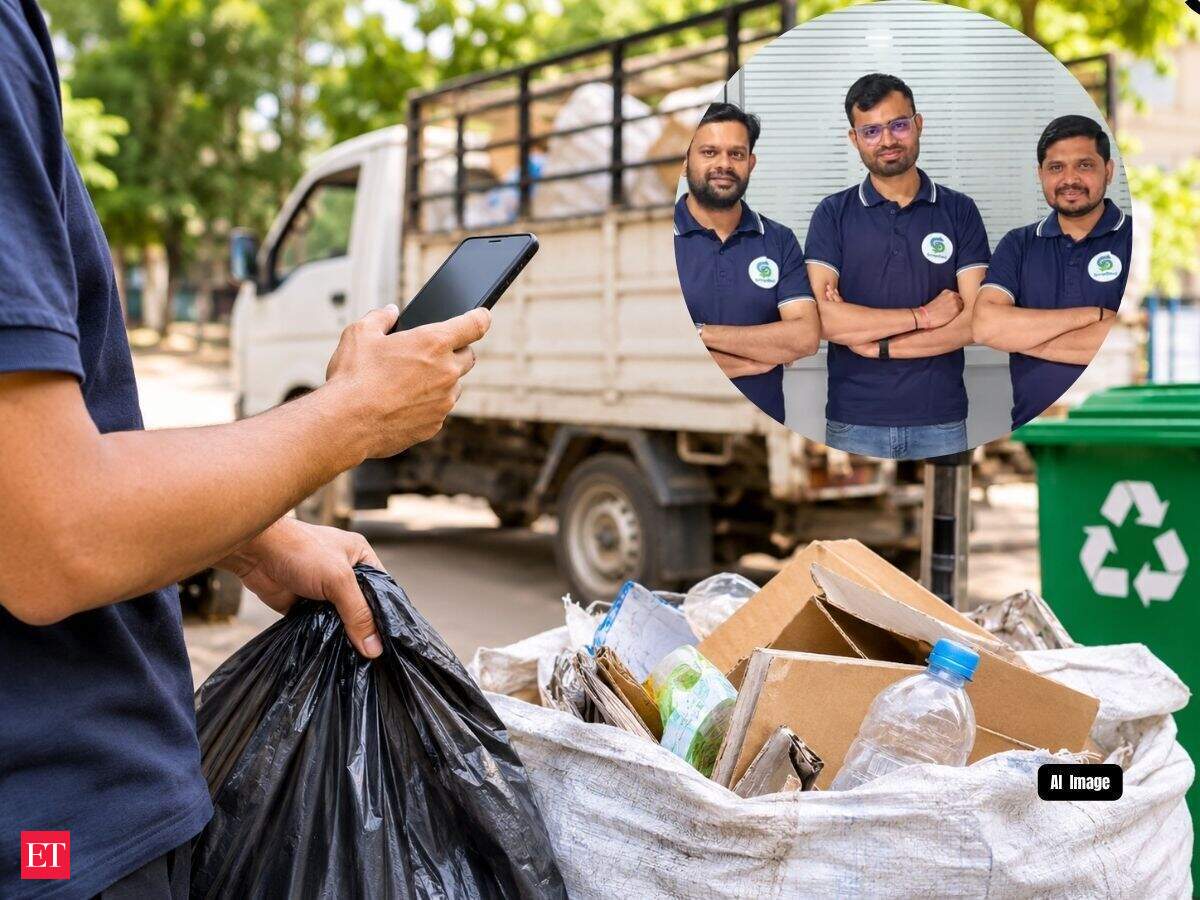
Listen to this article in summarized format Listen Loading... × × Subscribe to Unlock AI Briefing and Premium Content New Year Offer 24 Hours Left Subscribe Now Already a member? Sign In What's Included Exclusive Stories Daily ePaper Access Smart Market Tools Curated Investment Ideas Ad-lite Experience Subscription What started as a small college project with an investment of just Rs 25,000 has grown into a business generating Rs 2.5 crore in annual revenue. Three brothers from Maharashtra have turned the everyday problem of selling household scrap into a growing business, collecting and recycling nearly 2 lakh kg of waste every month. The Pune-based startup, ScrapDeal , was founded by Jayesh Pakhale, who later joined hands with his brothers Ganesh and Vaibhav to expand the venture. Their idea was straightforward: make selling scrap as convenient as ordering food online. Today, the company operates across Pune and Pimpri-Chinchwad, with a network of pickup vehicles and thousands of customers. As per a NBT report, it now wants to double its business and achieve a revenue target of Rs 5 crore in the current financial year, FY27. How a college project turned into a business The story began in 2019 when Jayesh Pakhale was pursuing his final year of mechanical engineering at Sinhgad Academy of Engineering in Pune. While preparing to vacate his flat, he faced an unexpected problem. He had around 100 kg of scrap to sell but struggled to find a reliable buyer who could collect it from his doorstep and offer transparent prices. The experience made him think about the difficulties people face while disposing of old newspapers, cardboard, metal items and other household waste. He saw an opportunity to organise this largely unstructured market. Inspired by the convenience offered by food delivery platforms such as Swiggy and Zomato, Jayesh decided to build an app that would allow people to schedule scrap collection from their homes. With help from friends, he developed the initial version of the app with an investment of around Rs 20,000 to Rs 25,000. There was no large office or fleet of vehicles at the time. Jayesh started collecting scrap himself, travelling on his Activa and using a borrowed digital weighing machine. Pandemic brought business to a halt Building a business from scratch was not easy. Just when the startup was trying to establish itself, the Covid-19 pandemic disrupted operations. Lockdowns and movement restrictions brought the business to a standstill for nearly one-and-a-half years. With little business activity, Jayesh had to find other ways to support himself. During this difficult period, he even sold tea and vegetables on the streets to manage his expenses. Live Events You Might Also Like: Rs 4 lakh per month from 400 sqft room: Nagpur couple grows Rs 6 lakh per kilo saffron without soil with 80% profit margin View this post on Instagram A post shared by ScrapDeal® (@scrapdeal_official) The situation began improving in 2022. This was also when his elder brothers, Ganesh and Vaibhav, joined the venture. With three family members now working together, the business began taking a more organised approach. They outsourced the app's backend operations to a professional company and started conducting scrap collection drives in residential housing societies. These initiatives helped them reach more households and build a regular customer base. How does ScrapDeal's business model work? ScrapDeal aims to make the process of selling waste simple and transparent. Customers can use the company's app to select the type of scrap they want to sell and schedule a pickup. A representative then visits their home at the chosen time with an electronic weighing machine. The scrap is weighed in front of the customer, and payment is transferred immediately through UPI. This eliminates the need for customers to search for local scrap dealers or negotiate the entire transaction themselves. But the company's work does not end with collecting waste. After pickup, the material is sorted according to its category. It is then supplied to authorised recycling companies, paper mills and metal vendors for further processing. The business operates across two segments. Its consumer-facing operations collect scrap directly from households, while its business-to-business network works with companies that generate larger quantities of recyclable waste. From a handful of customers to a Rs 2.5 crore business The scale of ScrapDeal has changed considerably since its early days. As per the report, the company now has more than 50 employees and operates over 20 pickup vehicles across Pune and Pimpri-Chinchwad (PCMC). It has served more than 1 lakh individual customers and built partnerships with over 100 businesses. Its corporate clients include Pune Metro, Elantas Beck and BG Shirke, among others. The financial growth has also been significant. ScrapDeal reported revenue of Rs 1.5 crore in FY25, which increased to Rs 2.5 crore in FY26. The brothers are now targeting Rs 5 crore in revenue in FY27. Add as a Reliable and Trusted News Source Add Now! (You can now subscribe to our Economic Times WhatsApp channel ) Read More News on ScrapDeal three brothers business success story scrap business scrap recycling business recycling startups India scrap collection app starting scrap business recycling business startup ideas business ideas (You can now subscribe to our Economic Times WhatsApp channel ) Read More News on ScrapDeal three brothers business success story scrap business scrap recycling business recycling startups India scrap collection app starting scrap business recycling business startup ideas business ideas Prime Exclusives Investment Ideas Stock Report Plus ePaper Wealth Edition Business of Odd Things: The farm that needs no land, freshwater, or fertiliser KYC and KYB: Inside Pidilite, the company that turned Fevicol into a word for a strong bond – Part 1 of 3 Seoul halts trading, Nifty has its best week since 2021: Money leaving the AI trade – will it land in India? Junk bonds are cracking at the bottom. Will the noise get loud enough to make ‘junk bond’ a household term again? PNG connections rise half a million, but how many use piped gas for cooking? Some elections matter more than you know: No crop changed in the fields, yet sugar, coffee and soya got cheaper in a day 1 2 3 View all Stories
By Katherine Langford

By Katherine Langford

By Katherine Langford
By Marcus Chen