
Business
Billionaires aren’t off the hook for higher taxes, even if they did dodge California’s wealth tax
By Marcus Chen
Advertisement · Why this ad?
Katherine oversees editorial operations across all six brands. Before joining The Meridan Group, she spent 14 years at the Minneapolis Star Tribune, where she led the metro desk through its digital transformation. She holds a Master's in Journalism from Northwestern's Medill School.
More from Katherine →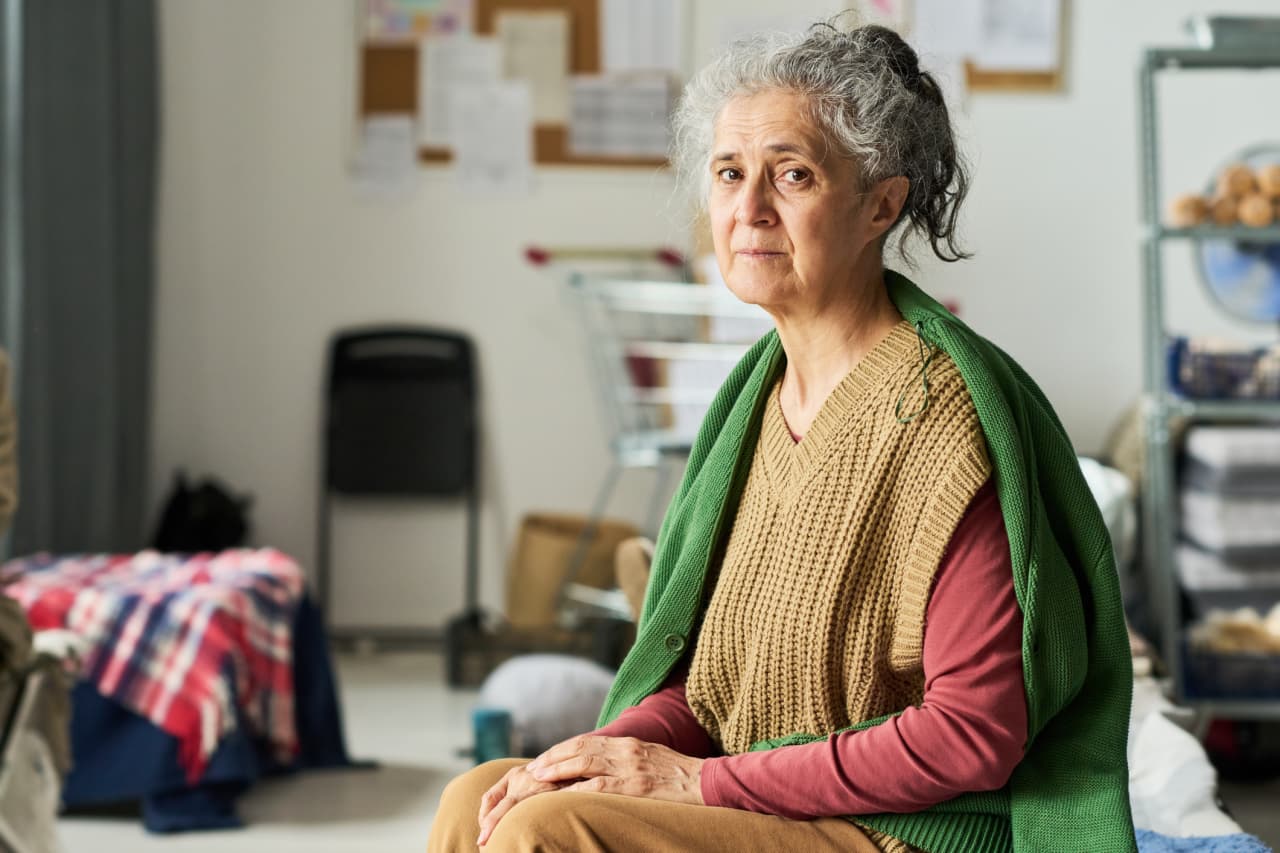
As the sun rises over New York City, the streets begin to stir with life. Among the bustling crowds, 66-year-old Margaret Thompson stands quietly outside a local diner, clutching a worn handbag. With just $500 in savings and reliant solely on her Social Security check, Margaret’s story is emblematic of the growing financial insecurity faced by many seniors in America today. Her plight raises a pressing question: in a political landscape rife with promises, who truly represents the needs of those like her?
Margaret, like many seniors across the country, finds herself navigating a precarious financial landscape. According to the U.S. Census Bureau, over 9% of New Yorkers aged 65 and older live below the poverty line. This statistic underscores a harsh reality: for many seniors, Social Security benefits, which average about $1,500 per month, are insufficient to cover basic living expenses.
In a city known for its soaring living costs, Margaret's situation is not unique. With rent prices averaging over $3,000 per month in many neighborhoods, the financial strain on the elderly is palpable. Margaret recounts her struggles, saying, "I’ve had to make tough choices between food and medicine. I have no financial safety net, and it’s terrifying." The emotional toll of such uncertainty can be profound, leading to increased stress and anxiety.
The question of representation arises as the political climate shifts. After the recent midterm elections, many citizens like Margaret are left wondering which politicians will advocate for their needs. With a significant portion of the electorate being seniors, it is crucial that their voices are heard in legislative discussions regarding Social Security, healthcare, and affordable housing.
Community organizations have begun to take notice of the struggles faced by seniors like Margaret. Groups such as New York Senior Citizens Coalition work tirelessly to address these issues, providing resources and support to help navigate the complexities of aging in America. Margaret has found solace in their services, stating, "They’ve helped me understand my benefits and connect with others in similar situations. It’s comforting to know I’m not alone in this fight."
Moreover, local advocacy efforts have emerged, pushing for policies that prioritize the needs of senior citizens. Organizations are lobbying for increased funding for affordable housing and healthcare services, essential components in ensuring that seniors can live with dignity. As Margaret puts it, "We deserve to live our golden years without the constant worry of how to make ends meet."
Despite the rhetoric surrounding senior issues during campaign seasons, many feel disillusioned by the lack of tangible results. Politicians often tout their support for Social Security, yet the reality is that benefits have not kept pace with inflation. The Social Security Administration reports that while benefits are adjusted annually, they have not sufficiently accounted for rising costs in healthcare and housing.
Margaret's concerns echo a broader sentiment among seniors: the need for genuine advocacy that translates into actionable policies. "I want to hear more than just campaign promises. I want to see real change that impacts my life and the lives of so many others," she asserts. This sentiment resonates deeply within the community, where many feel their needs are sidelined in favor of more pressing political agendas.
As the conversation around senior welfare continues to evolve, it is essential to highlight the steps being taken to address these pressing issues. Recently, the city has launched initiatives aimed at improving access to affordable housing for low-income seniors. The New York City Department of Housing Preservation and Development has introduced programs that provide financial assistance and resources for housing stability. Local leaders, such as City Council members, are advocating for increased funding and resources to support these initiatives, emphasizing that affordable housing is a fundamental right.
Furthermore, grassroots movements advocating for increased funding for healthcare services are gaining traction. Organizations like AARP New York are at the forefront, pushing for legislative changes that would enhance healthcare access for seniors. Their efforts are crucial in ensuring that the voices of seniors are not only heard but acted upon. Community forums are being organized to educate seniors about their rights and benefits, helping to empower individuals like Margaret to advocate for themselves.
Margaret’s story highlights the critical role that community support plays in the lives of seniors. Local churches and nonprofit organizations are stepping up to fill the gaps left by governmental programs. For instance, many congregations offer meal programs and social gatherings that foster connection and combat loneliness. These gatherings not only provide food but also create a sense of belonging and community, which is vital for mental health.
Moreover, financial literacy programs tailored for seniors are becoming increasingly popular. These initiatives aim to educate seniors on budgeting, savings, and navigating benefits, empowering them to make informed financial decisions. As Margaret reflects, "Having a community that cares makes all the difference. It reminds me that I’m not just a statistic; I’m a person with a story and a future. We need more of that in our society." The importance of these programs cannot be overstated, as they equip seniors with the tools they need to manage their finances effectively and improve their quality of life.
The future for seniors like Margaret remains uncertain, but there is hope. As community organizations continue to advocate for change and politicians are held accountable for their promises, the conversation surrounding senior welfare is gaining momentum. It is imperative that those in power recognize the urgency of these issues and act decisively. The upcoming city council elections present an opportunity for constituents to engage with candidates on these critical issues, ensuring that senior welfare remains a top priority.
In the coming months, residents are encouraged to engage with local representatives, voice their concerns, and advocate for policies that prioritize the needs of seniors. Margaret emphasizes, "We must stand together and demand the respect and resources we deserve. It’s our right to live with dignity in our later years." The call for action is clear: the time for change is now. As the community rallies together, there is a growing sense of solidarity among seniors, advocating not just for themselves, but for future generations who will face similar challenges.
By Marcus Chen

By Katherine Langford

By Marcus Chen

By Katherine Langford