Business
India’s emissions to rise 4.4% despite global dip
By Katherine Langford
Advertisement · Why this ad?
Katherine oversees editorial operations across all six brands. Before joining The Meridan Group, she spent 14 years at the Minneapolis Star Tribune, where she led the metro desk through its digital transformation. She holds a Master's in Journalism from Northwestern's Medill School.
More from Katherine →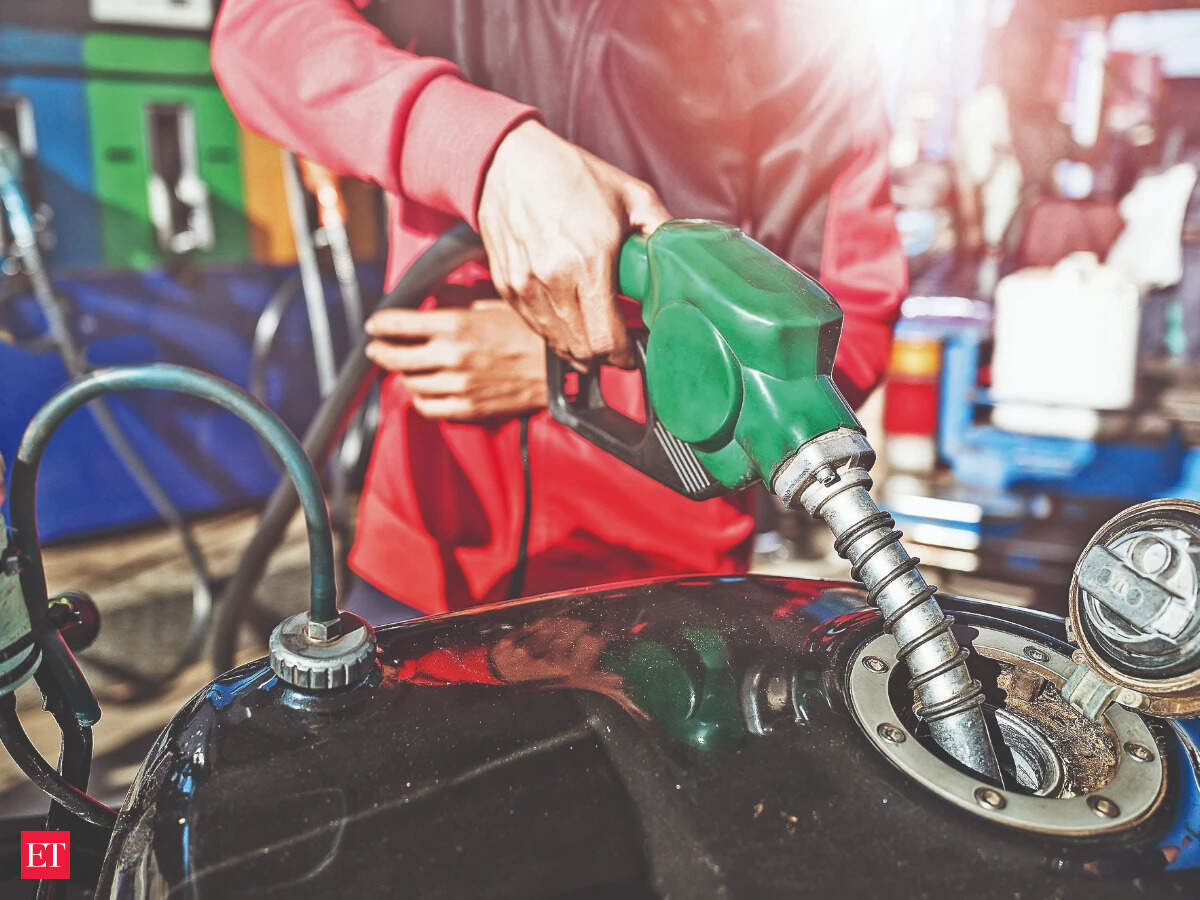
Agencies Pune: The latest ethanol tender floated by oil marketing companies (OMCs) for E20 petrol has made maize the primary ingredient. The tender has received offers of 59% maize, a 37% year-on-year jump in the total quantity, sparking concerns that the large-scale diversion of the grain for ethanol production could boost animal feed costs and fuel inflation in eggs and chicken. This comes despite the government cutting the price of maize-based ethanol by ₹3 per litre. Maize prices have already doubled year-on-year while kharif production is projected to decline 15%, potentially worsening supply constraints. Experts warn that further increases in grain prices could raise input costs for poultry farmers, making eggs and chicken more expensive. Also Read: India's sugar mills face margin squeeze as ethanol production restrictions and rising costs hit profitability: Crisil Maize is a key ingredient in animal feed and is also used in starch production for processed food and paper industries. Maize accounts for 60% of poultry feed while it is the main raw material of the starch industry. With projections of kharif maize production falling by about 15%, maize prices have doubled compared to last year. In the first round of allocation in ethanol supply year (ESY) 2025-26, maize ethanol offers had a share of about 45% of total allocated volume, while the actual share of maize ethanol supplied till September 2026 was about 41% of the total ethanol supply. Maize ethanol offers in the bids received by OMCs for the first tender of ethanol supply year (ESY) 2026-27 have increased to 59% from last year's 45%. Live Events Also Read: Stubble burning cases cross 3,000 mark in Punjab; Tarn Taran tops list For EST 2026-27, the OMCs have floated a tender for procuring 11 billion litres of ethanol, while the ethanol makers have offered 19.35 billion litres of ethanol, which is nearly 1.8 times the requirement of the OMCs. The offers of grain ethanol increased after the government excluded sugarcane juice, B heavy molasses and sugar syrup as feed stock for the ethanol blending programme because drought affected sugarcane production. Although a section of the ethanol industry thinks that the increase in maize offers indicates that there is no shortage of feed stock, others are worried about the implications of meeting the E20 target by increasing diversion of foodgrain for ethanol. "We can see that the ethanol manufacturers have offered their entire capacities, while bidding for the ethanol procurement tender of the oil marketing companies," said agriculture expert GK Sood. During the 2025-26 ethanol year, grain-based ethanol accounted for 72% of the total supplies and sugar-based ethanol for 28%. With the government putting a cap of 7.2 million tonnes on the use of FCI surplus rice for ethanol, or the equivalent of 324 crore litres, the supplies of ethanol made from maize and damaged food grains will have to increase. With maize prices already double last year, the maize-based industry is afraid that the prices may spike further as the demand for maize soars from users like poultry and ethanol manufacturers. "With allocation proceeding through the ascending price sequence of C heavy molasses, surplus food grains, damaged food grains and maize, the competitive intensity is likely to be highest in maize," said Kapil Nema, a sugar industry expert. With lower availability of feedstock, the actual contracted quantities for some feedstocks are expected to be lower. "When there is a shortage of a product, the best bidder gets it. If the government pays high prices for maize ethanol, then the poultry industry will suffer. If the government does not pay high prices for maize-based ethanol, then the ethanol production can suffer," said agricultural expert GK Sood. "The shortages of the feedstocks used for ethanol are expected to force a recalibration of the ethanol blending percentage." Though the distilleries have offered higher maize, factors like priority for food and maize prices will decide the actual supply of maize ethanol, said experts. "The headline offer numbers need to be viewed with caution. Capacity-based permissible quantities and feedstock-specific restrictions will influence the final allocation," said Nema. Add as a Reliable and Trusted News Source Add Now! (You can now subscribe to our Economic Times WhatsApp channel ) Read More News on maize prices increase Maize diversion to ethanol food inflation ethanol production E20 petrol ethanol poultry feed maize grain prices spike ethanol blending program animal feed costs kharif maize production (You can now subscribe to our Economic Times WhatsApp channel ) Read More News on maize prices increase Maize diversion to ethanol food inflation ethanol production E20 petrol ethanol poultry feed maize grain prices spike ethanol blending program animal feed costs kharif maize production Prime Exclusives Investment Ideas Stock Report Plus ePaper Wealth Edition KYC and KYB: Inside Pidilite, the company that turned Fevicol into a word for a strong bond – Part 1 of 3 Seoul halts trading, Nifty has its best week since 2021: Money leaving the AI trade – will it land in India? Junk bonds are cracking at the bottom. Will the noise get loud enough to make ‘junk bond’ a household term again? PNG connections rise half a million, but how many use piped gas for cooking? Some elections matter more than you know: No crop changed in the fields, yet sugar, coffee and soya got cheaper in a day You can buy a walkie-talkie online. But can you legally use it? 1 2 3 View all Stories