Technology
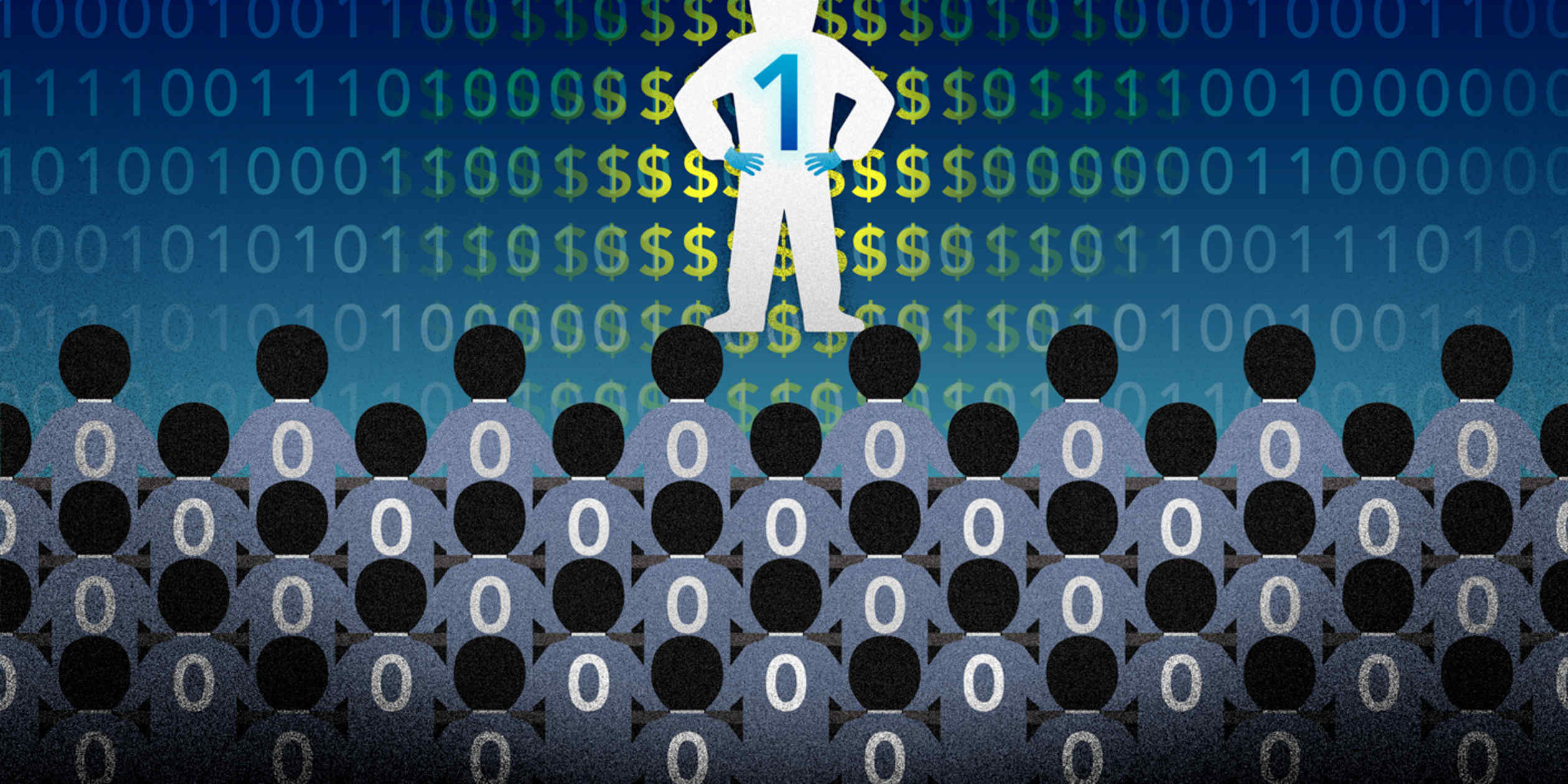
The AI pay gap: A chip boom breeds jealousy and labor unrest in Asia
By Marcus Chen
Advertisement · Why this ad?
Katherine oversees editorial operations across all six brands. Before joining The Meridan Group, she spent 14 years at the Minneapolis Star Tribune, where she led the metro desk through its digital transformation. She holds a Master's in Journalism from Northwestern's Medill School.
More from Katherine →
#techAsia Sex, spies and salaries shake up AI chipmakers The inside story on the Asia tech trends that matter, from Nikkei Asia and the Financial Times November 12, 2026 18:10 JST Hello everyone, this is Cissy from Hong Kong. Unless you've been offline since the weekend, your social media feeds have probably been swamped, like mine, with posts about the affair between Nvidia's chief Jensen Huang and Alice Huang, or Huang Le in Chinese. They range from reports by major media outlets to AI-generated memes and videos poking fun at the topic of the moment, likely powered by Nvidia chips. An acquaintance who briefly overlapped with Huang at CCTV confirmed to me that she spent a short stint at the state broadcaster as an "intern reporter" about 20 years ago, before leaving for the more lucrative financial sector. On social media, a carnival of unverified group photos said to be from her middle school graduation, screenshots of her WeChat posts showing off her close relationship with Jensen, and even her old business card as a partner at Shanghai private equity firm Hexi Investment have circulated. Meanwhile, the buzz centers on whether Ms. Huang is a Chinese spy, an allegation The New York Times reported, citing senior U.S. policymakers. The allegation has sparked heated debate over whether the label fits at all, since the definition of a "spy" can be stretched very broadly. Multiple U.S. media outlets reported Thursday morning that besides Alice, Jensen had a romantic relationship with Nvidia's vice president of healthcare, and its board has been holding an urgent meeting, amid speculation he will be ousted. Asian workers aim to close the AI pay gap While the multi-billionaire's leadership fate hangs in the balance, it is already clear that the semiconductor boom that propelled Nvidia to the top and made his fortune has also created a vast wealth divide across Asia - a gap that shows little sign of narrowing anytime soon. While the U.S. has historically offered higher wages than other countries for talent, workers in Asia, especially in South Korea and Taiwan, are beginning to push back against stagnant compensation, demanding a larger share of the profits of the AI boom, Nikkei Asia's Kim Jaewon, Steven Borowiec , Cheng Ting-Fang, Lauly Li, and Cissy Zhou reported this week. After an all-out strike, Samsung Electronics management agreed to pay 10.5% of its memory unit's operating profit as a special bonus to department employees, worth up to 700 million won ($520,000) for a regular worker. Meanwhile, workers at SK Hynix are snapping up properties in Seoul suburbs with their generous bonuses, with average monthly home purchases near the company's headquarters doubling in the first half compared to a year earlier. The AI pay-gap discontent has also spread to Taiwan. A union dispute at U.S. memory chipmaker Micron's subsidiary on the island has led to salaries for mid- to senior-level engineers nearly tripling and a major bonus-payment deal that will apply to workers globally. Alice Huang's checkered China past Alice Huang is no stranger to scandal , write the FT's Eleanor Olcott and Zijing Wu . For years, she worked with Kang Wei, a financier who was both a romantic partner and business associate, even as he faced multiple investigations for stock market violations in China. The FT reported this week that the pair pitched China-based investors in early 2025, touting their ability to secure highly prized Nvidia GPUs and their close business ties to Chinese tech group Alibaba. The relationship between Alice Huang and Kang also illustrates the checkered network of connections surrounding the Chinese businesswoman and raises further questions about the Nvidia chief's decision to entwine his business and his personal life with hers. Japan's Sakana AI readies major IPO Japanese artificial intelligence developer Sakana AI is preparing for an initial public offering either in Japan or the U.S. as early as autumn 2027 , Nikkei's Rei Nakafuji and Akira Yamashita have learned. The IPO could give it a market valuation above the 680 billion yen ($4.3 billion) that Japan's first unicorn Mercari achieved in 2018. Sakana was established in 2023 and achieved unicorn status just a year later. It is developing a homegrown AI model, tentatively named "Sakana Sawara." It plans to release a small-scale model in the spring of 2027 before developing a larger one. A year ago, it reached a 400 billion yen valuation in a private placement of shares with investors including Mitsubishi UFJ Financial Group, the highest valuation ever achieved by an unlisted Japanese startup. Nvidia and Google are also investors. Grab, SoftBank invest in Malaysia AI infrastructure Grab and SoftBank Group will invest $1.85 billion in AI infrastructure projects, including data centers, in Malaysia, betting on surging digital demand across Southeast Asia. The planned projects will provide at least 5 gigawatts of AI computing capacity, Nikkei Asia's Kentaro Takeda writes. Under the plan, two projects - one in Peninsular Malaysia and the other in the eastern state of Sarawak - will be built. The first $850 million will go toward the Peninsular Malaysia project, with Grab footing $650 million of the bill and SoftBank putting up the remaining $200 million. For the Sarawak project, SoftBank will contribute $800 million, while Grab and local energy group Petroleum Sarawak Berhad (Petros) will each invest $100 million. Suggested reads 1. TSMC is seeing 'insatiable' demand for chips, executive tells Nikkei Forum (Nikkei Asia) 2. Nvidia board to decide Jensen Huang's fate after revelation of affair with subordinate (FT) 3. DeepSeek, other China AI firms have just 10% the revenue of OpenAI, Anthropic (Nikkei Asia) 4. State dinners to scrutiny: Nvidia's Huang falls out of favour in Trump's Washington (FT) 5. TSMC earmarks up to $1bn to buy Anthropic and OpenAI shares (Nikkei Asia) 6. Apple saves $2.7bn in taxes by booking profits in Singapore (FT) 7. Thailand tightens environmental rules for large data centers (Nikkei Asia) 8. Lex: China's block on SoftBank deal fires the starting gun on the robot wars (FT) 9. Australia plans new regulator for artificial intelligence after OpenAI hack (Nikkei Asia) 10. SoftBank slumps to $7bn loss on US data centre writedown (FT) Podcast: Tech Latest How Japan is charting its own path to Mars Welcome to the Tech Latest podcast. Every Tuesday, we deliver the hottest trends and news from the tech sector. In this episode, host Brian Chapman speaks with Tokyo correspondent Mitsuru Obe about Japan's launch of an ambitious five-year mission to Phobos , one of Mars' two moons. The mission is to land, collect samples and return them to Earth. Find us on Apple Podcasts | Spotify | YouTube | YouTube Music | Amazon Music | Voicy For more great stories like this delivered to your inbox every week, sign up to our #techAsia newsletter. Current subscribers can update their newsletter preferences by clicking here . Read Next Podcast: Tech Latest Jensen Huang scandal sends ripples through tech U.S. midterm elections Nvidia emerges as early test of Democrats' tougher China tech policy IPO Sakana AI gears up for one of Japan's biggest startup IPOs Artificial intelligence Grab, SoftBank to invest $1.85bn in Malaysia AI infrastructure Technology Asia's AI supply chain and US data centers set to weather 'blue wave' Tech Asia The AI pay gap: A chip boom breeds jealousy and labor unrest in Asia Artificial intelligence Nvidia shares plunge almost 10% on report board may oust Jensen Huang Podcast: Tech Latest How Japan is charting its own path to Mars Latest on #techAsia #techAsia Taiwan's chipmakers shine brightest in living memory #techAsia Alphabet spells out more AI capex, China+1 doesn't add up #techAsia Tech at the plate for Asian baseball climax Sponsored Content About
By Marcus Chen

By Marcus Chen

By Marcus Chen
By Marcus Chen