
Business
BOE Rate Hike a ‘Big One and Done,” Says BNY’s Yu
By Marcus Chen
Advertisement · Why this ad?
Katherine oversees editorial operations across all six brands. Before joining The Meridan Group, she spent 14 years at the Minneapolis Star Tribune, where she led the metro desk through its digital transformation. She holds a Master's in Journalism from Northwestern's Medill School.
More from Katherine →
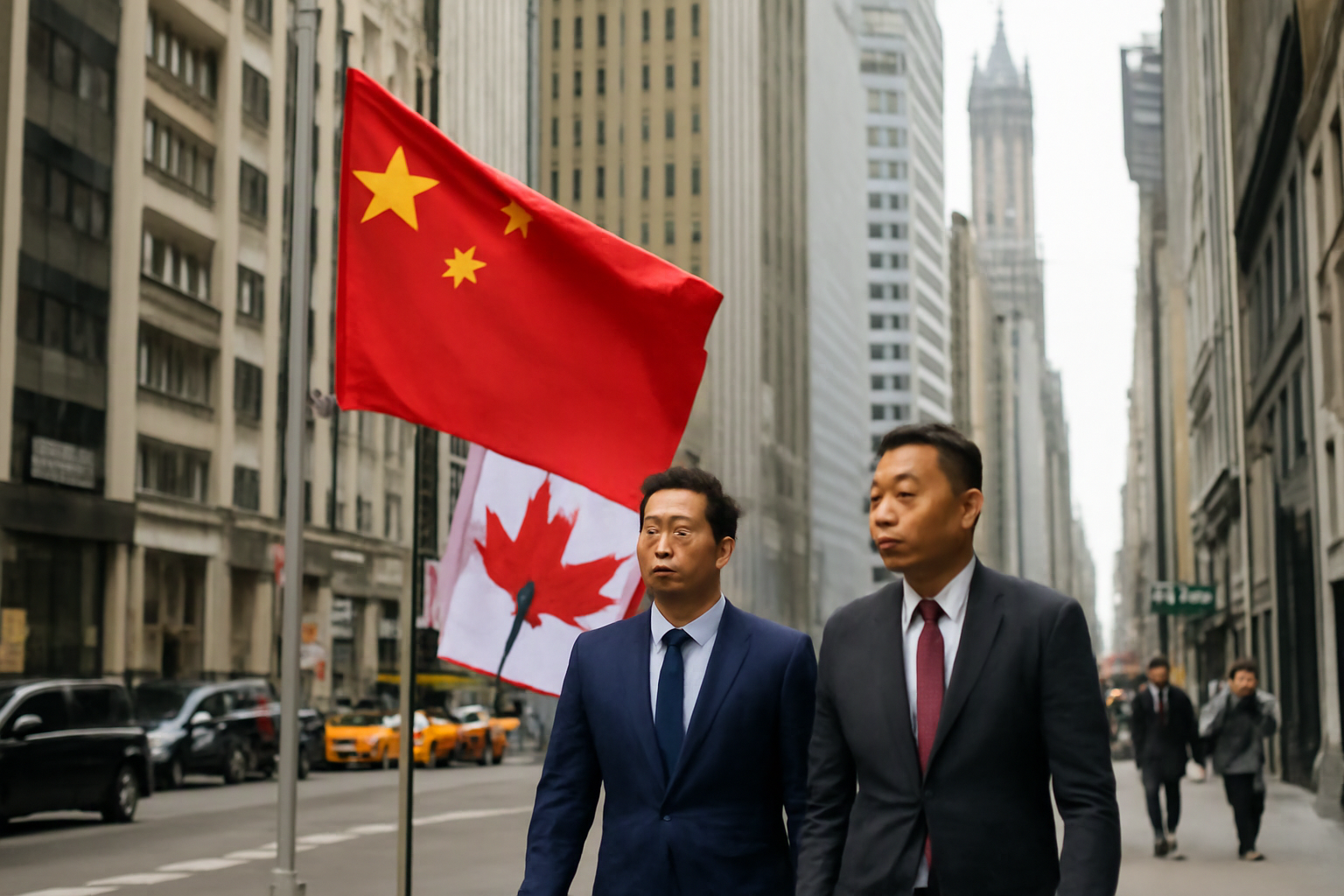
Amid the bustling energy corridors of New York City, where the pulse of global finance resonates, the implications of Russian energy policies are reverberating far beyond its borders. In a recent development, Russian subsidies paid to oil producers for maintaining domestic road fuel supplies have surged to their highest levels since 2022. This significant increase poses a substantial risk to the Kremlin's energy revenues, which are already under pressure from various international sanctions and market dynamics.
According to recent reports, the Russian government has escalated its financial support for oil producers, with subsidies aimed at stabilizing domestic fuel prices. These measures have resulted in a dramatic rise in payouts, now reaching levels not seen in over four years. Such financial interventions are crucial for the Kremlin as it seeks to ensure that fuel remains accessible and affordable for its citizens, all while grappling with the economic ramifications of ongoing geopolitical tensions.
This rise in subsidies comes at a time when the Russian economy is facing significant challenges. The Kremlin's budget, heavily reliant on energy revenues, is experiencing strain due to fluctuating global oil prices and the impact of sanctions imposed by Western nations. As the government allocates more funds to support domestic oil producers, the potential for a budget shortfall looms larger, raising concerns about the sustainability of such financial strategies.
The backdrop of these developments is crucial for understanding their implications. The Russian economy has long been tethered to its energy sector, with oil and gas exports forming the backbone of government revenue. However, the increasing reliance on subsidies to prop up domestic fuel prices indicates a shift in strategy, one that could have far-reaching consequences for the nation's fiscal health.
In recent years, Western sanctions have targeted key sectors of the Russian economy, aiming to limit its ability to generate revenue from oil exports. As a result, the Kremlin has had to adapt, implementing measures to ensure that domestic markets remain stable and that citizens do not bear the brunt of rising fuel costs. This has led to a complex balancing act, where the government must navigate the dual pressures of maintaining public support while also safeguarding its revenue streams.
At the heart of this subsidy increase are the domestic oil producers, who have been vocal about the challenges they face in a constrained market. Companies like Rosneft and Lukoil, which dominate the Russian oil landscape, have expressed concerns that without adequate government support, their operations could be jeopardized. These producers are not just economic entities; they are also significant employers, providing jobs to thousands of Russians across various regions. The Kremlin's decision to bolster subsidies can be seen in part as an effort to protect these jobs and maintain political stability in the face of economic uncertainty.
The implications of these increased subsidies are significant for the Russian budget. With the government funneling more resources into supporting oil producers, the potential for a budget deficit grows. Analysts have raised concerns that if these trends continue, the Kremlin may face difficult choices regarding public spending and investment in critical infrastructure.
The energy sector's volatility, exacerbated by external pressures, raises questions about the long-term viability of such subsidy programs. As the government attempts to stabilize the domestic market, the risk of undermining its fiscal position increases, potentially leading to cuts in other essential services or investments.
The ramifications of these policies extend beyond the financial sphere, impacting everyday Russians. In cities across the country, citizens are acutely aware of the rising costs of living, particularly in relation to fuel prices. The government's decision to increase subsidies may provide temporary relief, but there is a palpable sense of anxiety regarding the future.
In conversations with residents, many express a desire for a more sustainable approach to energy policy—one that does not rely on temporary fixes. The sentiment is clear: while subsidies may alleviate immediate pressures, they do not address the underlying issues facing the Russian economy. A growing number of citizens are advocating for reforms that prioritize long-term stability over short-term gains, reflecting a broader desire for a more resilient economic framework.
Moreover, the impact of these subsidies is felt unevenly across different regions. In remote areas, where transportation costs are already high, the reliance on subsidized fuels can create a false sense of security. Local businesses, particularly those in the transportation and logistics sectors, are often caught in a bind: while fuel prices may be temporarily stabilized, the overall economic environment remains precarious, leading to uncertainty about their future viability.
Local community leaders and activists have begun to voice their concerns about the sustainability of such policies. In regions like Siberia, where the economy is heavily dependent on oil and gas, there is a growing fear that the reliance on subsidies could stifle innovation and investment in alternative energy sources. “We need to think beyond just oil,” says Alexei Ivanov, a community organizer in Irkutsk. “If we keep pouring money into subsidies, we risk falling behind in the global energy transition.”
Looking ahead, the trajectory of Russian energy policy remains uncertain. As the government grapples with the dual challenges of maintaining domestic stability and ensuring fiscal health, the potential for further adjustments to subsidy programs looms large. Analysts suggest that the Kremlin may need to explore alternative strategies to bolster its energy revenues while also addressing the concerns of its citizens.
One potential avenue for the government is to diversify its energy portfolio, investing in renewable sources and technologies that could reduce its long-term reliance on oil and gas. However, such transitions require significant investment and time, and the current geopolitical climate complicates these efforts. The Russian government may also look to strengthen trade relationships with non-Western countries, seeking new markets for its energy exports that are less affected by sanctions.
In the coming months, it will be crucial to monitor how these developments unfold. The interplay between domestic needs and external pressures will shape the future of Russia's energy landscape. As the global market continues to evolve, the Kremlin's ability to adapt will be tested, raising questions about the sustainability of its current approach.
Ultimately, the situation highlights the delicate balance that governments must strike in managing economic pressures while ensuring the well-being of their citizens. For those in New York and beyond, the implications of Russian energy policy serve as a reminder of the interconnectedness of global markets and the far-reaching effects of national decisions. As the world watches, the response from the Russian government could set a precedent for how other nations might navigate similar challenges in the face of economic adversity.
By Marcus Chen

By Marcus Chen

By Katherine Langford
By Marcus Chen